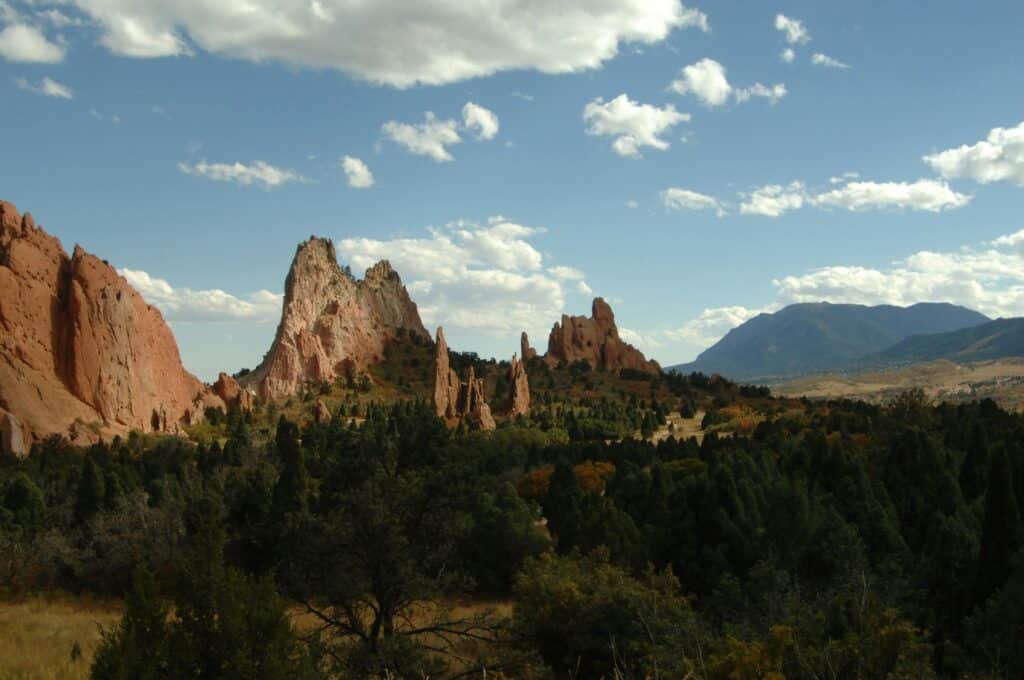
At LifeLegacy, we often talk about the power of estate planning to extend beyond personal inheritance, benefiting entire communities for generations to come. This inspiring story of the Garden of the Gods in Colorado Springs is a perfect example of such a philanthropic vision brought to life through thoughtful planning.
Imagine owning a breathtaking piece of land, a natural wonder teeming with unique geological formations. For Charles Elliot Perkins, this dream became a reality in 1879 when he purchased 240 acres in what is now known as the Garden of the Gods near Colorado Springs, Colorado. Initially intended as a private summer retreat, Perkins, with remarkable foresight, decided to preserve the land in its pristine, natural state. He continued to acquire additional acreage, and, even more remarkably, informally opened his growing preserve to the public for many years.
Perkins understood the intrinsic value of this land, not just for himself, but for everyone. He recognized that such a place deserved to be shared. This deep appreciation for public access to natural beauty clearly resonated with his children. In 1909, honoring their father’s profound connection to the Garden of the Gods, they made an extraordinary decision: they conveyed his four hundred eighty acres to the City of Colorado Springs. The crucial condition? It was to be operated permanently as a public park, accessible to all, absolutely free of charge.
This act of immense generosity highlights a powerful truth: a well-crafted estate plan can be a vehicle for incredible public benefit. While Charles Elliot Perkins may not have had a formal “estate plan” in the modern sense, his intentions and his children’s actions speak volumes about the impact of a philanthropic mindset. They understood that their father’s “feeling for the Garden of the Gods” was not just a personal sentiment, but a shared value that could enrich countless lives.
Today, the Garden of the Gods remains a testament to this family’s enduring legacy. It’s a cherished public park, drawing visitors from around the world to marvel at its stunning red rock formations. It’s a place for recreation, contemplation, and a deep connection with nature – all thanks to a family’s decision to prioritize public good in their estate.
At LifeLegacy, we believe everyone has the opportunity to create a legacy, whether it’s providing for your family, supporting a cause you believe in, or ensuring that special places remain accessible for future generations. Stories like that of the Garden of the Gods inspire us and demonstrate the incredible impact that thoughtful estate planning can have on the world around us.
What kind of legacy do you want to leave? Start planning yours today with LifeLegacy.